


Sometimes, the smallest change to your daily walk can make a surprisingly big difference. Pick up your pace, swing your arms a little faster, and suddenly your heart is working harder.
But when it comes to walking vs jogging, which one actually delivers better results?
Jogging generally burns more calories in less time, while brisk walking offers a gentler, more accessible way to improve fitness and support weight loss. Both can benefit your heart, mood, and overall well-being.
The better choice isn’t necessarily the faster one. It’s the activity you can enjoy, recover from, and maintain consistently.
Walking vs Jogging: What’s the Real Difference?
Brisk walking is faster than your usual strolling pace. You’re breathing a little harder, but you can still hold a conversation comfortably.
For many adults, a brisk walking pace is approximately 3–4 mph (4.8–6.4 km/h), although the right intensity depends on individual fitness.
Jogging involves a running motion and usually requires more effort. Your heart rate and breathing increase, and your feet briefly leave the ground with each stride.
The biggest difference? Jogging generally provides a more intense workout, while brisk walking places less impact on your body.


Brisk Walking vs Jogging: Which Burns More Calories?
If burning calories efficiently is your priority, jogging usually comes out ahead.
Consider two people exercising for 30 minutes. One walks briskly while the other jogs at a comfortable pace. Assuming similar body weight and conditions, the jogger will generally burn more calories.
However, calorie expenditure depends on several factors:
- Your body weight and fitness level
- Walking or jogging speed
- Workout duration
- Hills and terrain
- Overall exercise intensity
An hour of brisk walking may burn more calories than a short jog, depending on the pace and individual.
So, when comparing brisk walking vs jogging calories, remember that duration matters just as much as speed.
Brisk Walking Benefits vs Jogging Benefits
Both activities offer meaningful health advantages, but they suit different needs.
Why Brisk Walking Is Worth Your Time
Brisk walking benefits include improved cardiovascular fitness, better stamina, and support for weight management.
It’s also easier to incorporate into everyday life. You can walk during your lunch break, explore a nearby park, or turn a short evening outing into a refreshing workout.
What Makes Jogging Beneficial?
Jogging benefits include improved aerobic endurance, cardiovascular fitness, and higher calorie expenditure per minute.
It’s particularly appealing when you have limited exercise time but want a more challenging workout.
For a broader look at the differences, this walking vs running comparison offers additional perspective.
Walking vs Jogging for Weight Loss: Which Should You Choose?
Both walking for weight loss and jogging for weight loss can be effective when combined with balanced eating habits.
Weight loss generally requires using more energy than you consume over time. Exercise helps increase energy expenditure, but no workout guarantees results on its own.
If you’re beginning your fitness journey, brisk walking may be easier to maintain without feeling overwhelmed.
If you already have a solid fitness foundation, jogging can help increase workout intensity.
The most effective approach is one you can repeat consistently without unnecessary exhaustion or discomfort.
Can You Combine Brisk Walking and Jogging?
Absolutely! Alternating between the two activities can make exercise more manageable, especially when you’re building endurance.
Try this beginner-friendly routine:
- Walk comfortably for 5 minutes to warm up.
- Brisk walk for 3 minutes.
- Jog gently for 1 minute.
- Repeat the walking and jogging intervals five times.
- Finish with 5 minutes of easy walking.
Adjust the intervals to your comfort level, and increase jogging gradually.
If outdoor exercise keeps you motivated, explore these scenic running routes in Antalya for inspiration.
Can a Fitness Tracker Help You Track Your Progress?
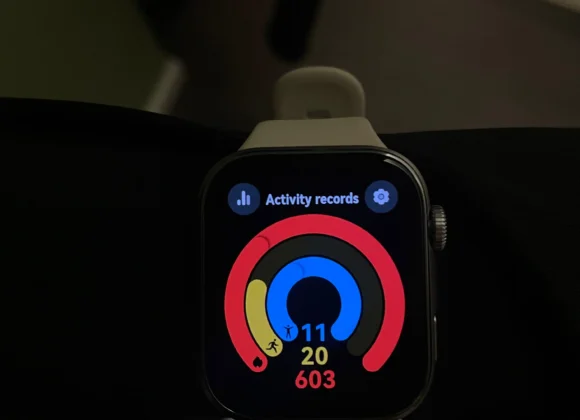
A fitness tracker or smartwatch can make your walking and jogging routine more motivating. By tracking your steps, heart rate, workout duration, and estimated calories burned, you can better understand your activity levels and notice improvements over time.
Just remember that calorie estimates aren’t always accurate. Instead of focusing only on the numbers, use your tracker to celebrate small achievements, stay consistent, and build healthier habits.
Frequently Asked Questions
Is brisk walking as effective as jogging?
Brisk walking can provide many of the same general health benefits as jogging, particularly when performed regularly. Jogging typically delivers a more vigorous cardiovascular workout in less time.
How long should I brisk walk each day to lose weight?
Thirty minutes of brisk walking five days a week is a reasonable starting goal for general health. Weight loss depends on your overall activity, eating habits, and individual energy needs.
Is jogging safe for beginners?
Jogging can be suitable for beginners who progress gradually. Start with short intervals, wear comfortable shoes, and allow recovery time. Seek medical guidance if you have relevant health concerns.
Should I walk or jog if I have knee pain?
Walking is generally lower-impact and may feel more comfortable, but the best choice depends on what’s causing your pain. Avoid exercising through worsening symptoms and seek professional advice for persistent discomfort.
Final Thoughts: Choose What Feels Right for You
When comparing walking vs jogging, there’s no universal winner.
Jogging may burn more calories in less time, but brisk walking makes it easier for many people to stay active regularly.
You don’t have to push yourself to exhaustion to make meaningful progress.
Sometimes, a comfortable pair of shoes, a peaceful route, and a slightly faster walking pace are exactly what you need to start building a healthier routine.