

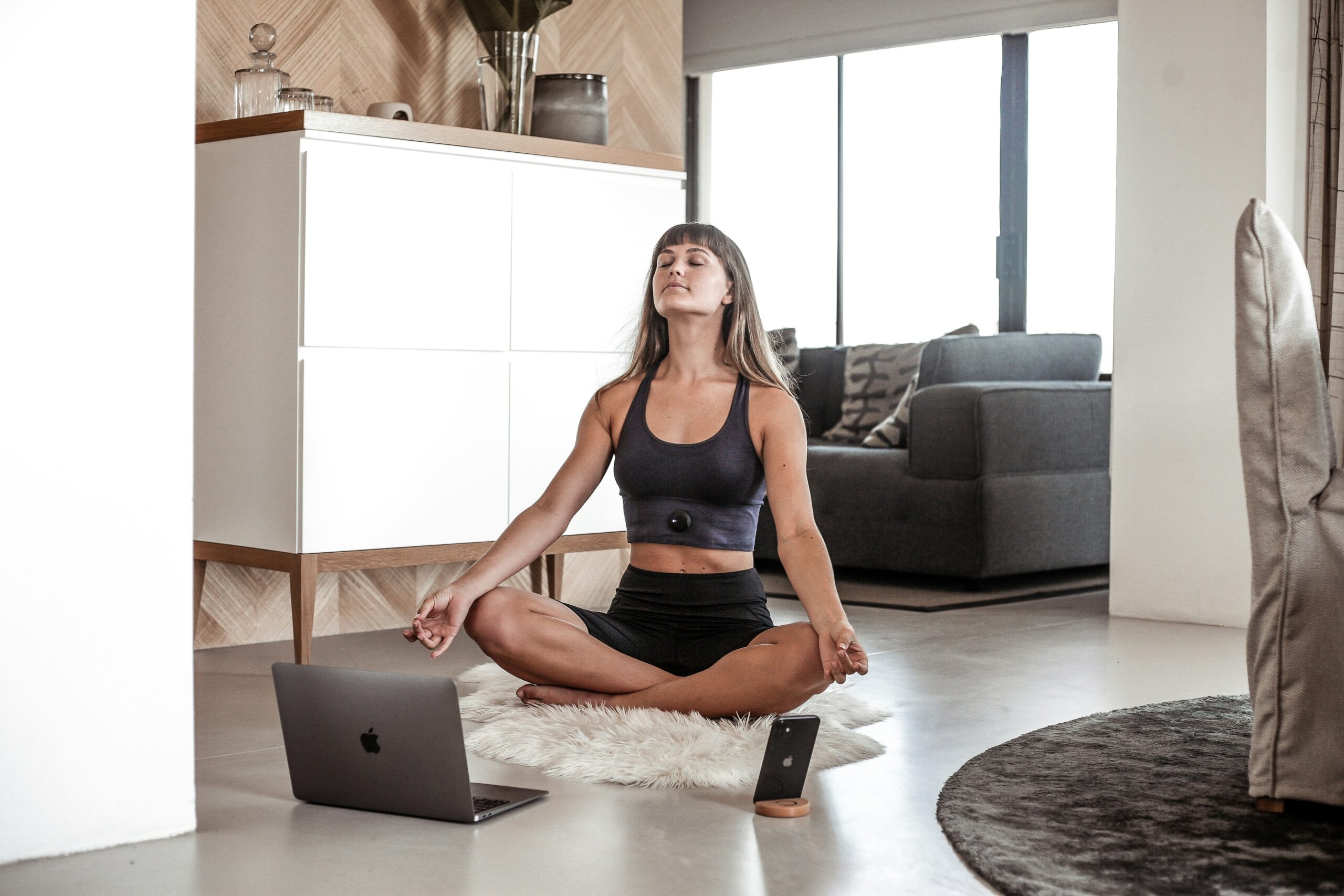
Yoga breathing techniques are controlled breathing practices used in yoga to calm the mind, relax the body, improve focus, and connect movement with awareness. These practices are often called pranayama breathing techniques, but beginners do not need advanced experience to start. Simple methods like belly breathing, equal breathing, and alternate nostril breathing can help you slow down and feel more present.
Many people use breathing exercises for stress because the breath gives the mind something steady to follow. With regular practice, yoga breathing exercises can become a simple daily tool for calm, balance, and mindful living.
If you want to create a calmer practice routine, setting up a simple home yoga space can make your breathing sessions feel more focused and comfortable.
What Are Yoga Breathing Techniques?
The Meaning of Yoga Breathing Techniques
Yoga breathing techniques are intentional ways of controlling inhalation, exhalation, rhythm, and awareness. Instead of breathing automatically without noticing it, you gently guide the breath with attention.
These practices are closely connected with pranayama, a traditional yoga practice that focuses on breath control. In simple terms, pranayama breathing techniques help you become more aware of how you breathe and how your breath affects your body, posture, mood, and focus.
So, what are yoga breathing techniques? They are mindful breathing methods used to create calm, support concentration, and bring the body and mind into better balance during yoga or quiet daily moments.
How Breath Connects the Body and Mind
Breath is one of the easiest ways to bring attention back to the present moment. When you notice your inhale and exhale, your mind has something calm and steady to follow.
Yoga breathing exercises can also make you feel smoother. For example, you may inhale while lengthening the spine and exhale while folding forward or softening the shoulders. This connection between breath and movement helps you slow down, move more mindfully, and notice how your body feels.
Over time, breath awareness can make yoga feel less like exercise and more like a complete mind-body practice.
Why Pranayama Breathing Techniques Are Important
Pranayama Breathing Techniques for Daily Balance
Pranayama breathing techniques are not only for advanced yoga students. Beginners can use simple patterns to support calm, focus, and body awareness in everyday life.
You might practice for a few minutes before work, after a busy day, or before gentle stretching. The goal is not to force the breath or perform perfectly. The goal is to breathe with attention and create a steady rhythm that feels comfortable.
Even a short breathing practice can help you pause before reacting, reset your energy, and return to your body when the mind feels scattered.
Breath Awareness and Mindful Living
Modern routines often involve screens, noise, rushing, and constant mental stimulation. Breath awareness gives you a simple way to slow down without needing special equipment or a long practice.
When you learn to pause and breathe, you create space between what happens and how you respond. This can be helpful during stressful conversations, busy mornings, or moments when you feel overwhelmed.
Mindful breathing does not remove every challenge, but it can help you meet daily stress with more steadiness.
7 Best Yoga Breathing Techniques for Beginners
1. Belly Breathing
Belly breathing is one of the easiest yoga breathing techniques for beginners. It teaches you to breathe deeply into the lower belly instead of taking short, shallow breaths into the chest.
To practice, sit or lie down comfortably. Place one hand on your belly and one hand on your chest. As you inhale, let the belly gently rise. As you exhale, let it soften.
Keep the breath smooth and relaxed. You do not need to push the belly out forcefully. Let the movement happen naturally.
2. Equal Breathing
Equal breathing uses a simple rhythm where the inhale and exhale are the same length. This creates balance and gives the mind a clear pattern to follow.
Start by inhaling for four counts, then exhaling for four counts. Repeat this for several rounds. If four counts feels too long, try three. If it feels easy, you can slowly increase the count.
This is one of the best yoga breathing techniques for beginners because it is simple, quiet, and easy to practice almost anywhere.
3. Alternate Nostril Breathing
Alternate nostril breathing involves breathing through one nostril at a time. It is often used to create a feeling of calm, balance, and focus.
Sit comfortably with your spine tall. Use your right thumb to gently close the right nostril and inhale through the left nostril. Then close the left nostril, release the right nostril, and exhale through the right side. Continue by inhaling through the right nostril, switching sides, and exhaling through the left.
Move slowly and gently. Avoid this practice if your nose feels blocked or if it causes discomfort.
4. Box Breathing
Box breathing is a structured method that uses four equal parts. It can be helpful when you want a clear breathing pattern during stressful moments.
The rhythm is:
- Inhale
- Hold
- Exhale
- Hold
A beginner-friendly version is to inhale for four counts, hold for four counts, exhale for four counts, and hold again for four counts. If holding the breath feels uncomfortable, shorten the count or skip the holds.
Box breathing works best when the body stays relaxed, the shoulders remain soft, and the breath feels steady rather than forced.
5. Ocean Breath
Ocean breath is a soft, controlled breathing technique often used during yoga practice. It creates a gentle sound in the throat, similar to ocean waves.
To begin, inhale through the nose and slightly narrow the back of the throat. Exhale through the nose with the same gentle throat control. The sound should be soft, not harsh.
This breath can help create rhythm during movement. It also gives the mind a soothing sound to focus on, which may make your yoga practice feel more grounded.
6. Cooling Breath
Cooling breath is often used to create a calming and cooling effect. It can feel refreshing when the body is warm or the mind feels restless.
One simple version is to inhale gently through pursed lips, as if sipping air through a straw. Then close the mouth and exhale slowly through the nose.
Keep the practice light and comfortable. If breathing through the mouth feels dry or unpleasant, return to natural nasal breathing.
7. Mindful Natural Breathing
Beginners do not always need complex methods. Mindful natural breathing is simply the practice of observing the breath as it is.
Sit or lie down in a comfortable position. Notice where you feel the breath most clearly. It may be in the nose, chest, ribs, or belly. Follow each inhale and exhale without trying to change anything.
This is a powerful starting point because it builds awareness. It teaches you to listen to your body before adding breath control.
How Yoga Breathing Techniques Help Reduce Stress
Breathing Exercises for Stress and Relaxation
How do yoga breathing techniques help reduce stress? They help by slowing the breath, relaxing the body, and giving the mind a calm point of focus.
When you are tense, the breath often becomes shallow or uneven. Slow and steady breathing can help you move away from that feeling of tension and into a calmer rhythm. This is why many beginners use breathing exercises for stress during busy days, before sleep, or before yoga practice.
The key is comfort. A relaxed breath is more useful than a forced one.
How Breath Supports Focus and Emotional Balance
Breathing gives the mind something simple to return to. Instead of following every thought, you can follow the inhale and exhale.
This can support focus during yoga, work, meditation, or moments of emotional overwhelm. The breath becomes an anchor. It does not make you ignore emotions, but it helps you create space around them.
With practice, yoga breathing techniques can help you feel more steady, less distracted, and more connected to your body.
How to Practice Yoga Breathing Exercises at Home
Create a Calm Space Before You Begin
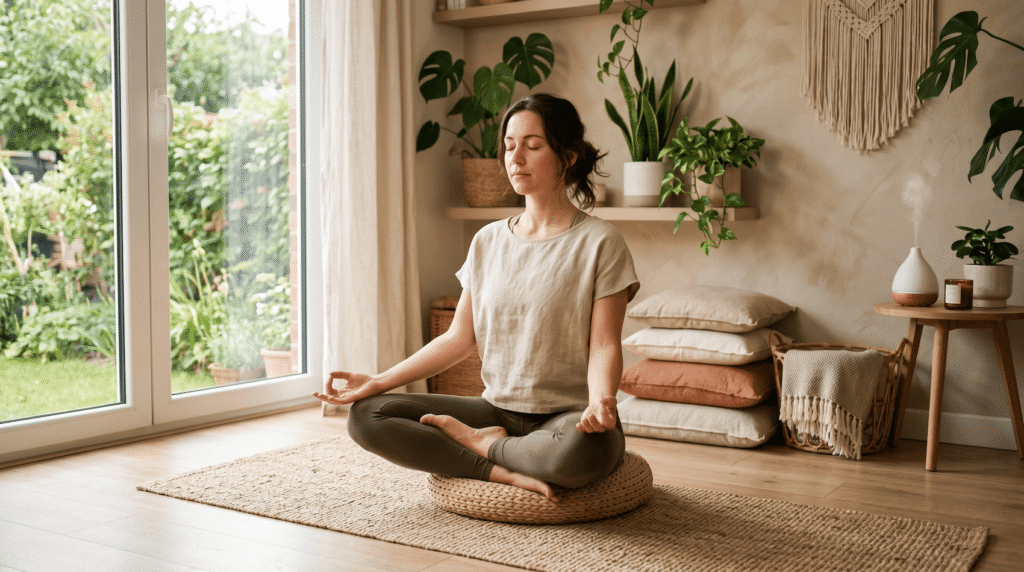
A quiet corner, soft lighting, and a comfortable mat can make your practice easier. If you are building a peaceful routine, this guide to creating your own yoga space at home can help you design a simple area for breathing and movement.
Your space does not need to be large. A small area with fewer distractions is enough. You may want to keep a cushion, blanket, or yoga mat nearby so your body feels supported.
Try practicing at the same time each day. Morning breathing can help you start with clarity, while evening breathing can help you unwind.
Combine Breathwork With Gentle Yoga Poses
After a few minutes of breathwork, you can continue with gentle movement. These daily yoga poses can help you build a simple routine that supports strength, flexibility, and body awareness.
Yoga breathing exercises pair well with slow poses such as seated forward folds, child’s pose, cat-cow, and gentle twists. Move slowly and let the breath guide the pace.
A simple home routine might look like this:
- Sit quietly for one minute
- Practice belly breathing for three minutes
- Try equal breathing for two minutes
- Move through gentle yoga poses
- End with mindful natural breathing
This keeps the practice simple, balanced, and beginner-friendly.
Common Mistakes to Avoid With Yoga Breathing Techniques
Forcing the Breath Too Much
One common mistake is trying too hard. Breathing should feel steady, smooth, and comfortable. Beginners should avoid pushing the breath, holding it too long, or attempting advanced techniques too quickly.
If you feel dizzy, tense, or uncomfortable, stop and return to natural breathing. Shorter practices are better than forced sessions.
Remember, progress in breathwork is not about longer holds or dramatic effort. It is about awareness, consistency, and ease.
Practicing Without Body Awareness
Posture matters. If your body is slumped, tight, or uncomfortable, breathing may feel restricted. Sit on a cushion, support your back, or lie down if that feels better.
Keep the shoulders relaxed, the jaw soft, and the spine comfortably long. You do not need a perfect yoga posture. You only need a position that allows the breath to move freely.
Body awareness also means knowing when to pause. Breathwork should support you, not strain you.
Final Thoughts on Yoga Breathing Techniques
Yoga breathing techniques are simple, accessible practices that can help you feel calmer, more focused, and more connected to your body. Whether you begin with belly breathing, equal breathing, alternate nostril breathing, or mindful natural breathing, consistency matters more than complexity.
Start with a few minutes each day. Practice in a quiet space, keep your breath comfortable, and combine breathwork with gentle yoga poses when you feel ready.
The best yoga breathing techniques are the ones you can return to often. With time, these small breathing habits can become a steady part of your daily calm, focus, and mindful living.
FAQs
What are yoga breathing techniques?
Yoga breathing techniques are controlled breathing practices used in yoga to improve awareness, calm the mind, and support a steady connection between body and breath. They may include simple methods like belly breathing, equal breathing, and alternate nostril breathing. Beginners can practice them for a few minutes daily before or after gentle yoga movement.
What are the best yoga breathing techniques for beginners?
The best yoga breathing techniques for beginners include belly breathing, equal breathing, box breathing, and mindful natural breathing. These methods are easy to follow, do not require advanced yoga experience, and can be practiced at home. Beginners should start slowly, keep the breath comfortable, and avoid forcing long breath holds.
How do yoga breathing techniques help reduce stress?
Yoga breathing techniques help reduce stress by slowing the breath, relaxing the body, and giving the mind a calm point of focus. When breathing becomes steady, it can support a more relaxed state and help reduce feelings of tension. Simple breathing exercises for stress can be practiced in the morning, evening, or during busy moments.
How often should I practice yoga breathing exercises?
You can practice yoga breathing exercises daily, even for just five minutes. Consistency is more important than long sessions. Beginners may start with short practices in the morning or before sleep, then gradually increase the time. A quiet space and comfortable posture can make the practice easier and more enjoyable.
Can I do yoga breathing techniques without doing yoga poses?
Yes, yoga breathing techniques can be practiced without physical yoga poses. Many people use breathwork while sitting, lying down, or taking a mindful break during the day. However, combining breathing with gentle yoga poses can create a fuller routine that supports relaxation, flexibility, and body awareness.