


How to Build a Routine That Lasts
Learning How to Create a Routine starts with one simple idea: your routine should support your real life, not pressure you to become a perfect person overnight. A good routine helps you know what to do next, saves mental energy, and makes healthy choices easier to repeat.
The best routines are realistic, flexible, and personal. They include small daily actions like waking up at a consistent time, setting your priorities, moving your body, eating well, listening to your favourite podcasts while you do something else, resting, and making space for things that matter to you.
Why Having a Routine Is Important
A Routine Reduces Daily Stress
A routine gives your day a gentle structure. Instead of deciding everything from scratch, you create a rhythm that helps you move through the day with less stress.
This is especially helpful when life feels busy. Simple habits like preparing your outfit, writing a short to-do list, or setting a bedtime can make your day feel more manageable.
A Healthy Daily Routine Supports Your Energy
A healthy daily routine is not only about productivity. It is also about protecting your energy, mood, and well-being.
Your routine may include:
- Drinking water after waking up
- Eating balanced meals
- Taking short breaks
- Moving your body
- Getting enough sleep
- Planning time to relax
When these habits become familiar, they feel less like chores and more like natural parts of your day.
How to Create a Routine That Fits Your Real Life
Start With Your Current Schedule
The easiest way to learn how to create a routine is to look at what already happens in your day. Notice your wake-up time, work hours, meals, energy dips, and evening habits.
Then ask yourself: What part of my day feels messy? Maybe mornings feel rushed, evenings feel unplanned, or work tasks feel scattered. Start there.
You do not need to rebuild your entire life. Choose one area and improve it gently.
How to Create a Routine With Small Steps
A common mistake is trying to change everything at once. A better approach is to choose two or three small habits and repeat them consistently.
For example, your first routine could be:
- Wake up at the same time
- Go to the Gym
- Make your bed
- Drink a glass of water
- Write down three priorities
- Take a 10-minute walk
This kind of simple productivity routine works because it is easy to remember and repeat.
Daily Routine Ideas for a Balanced Day
Morning Routine Tips That Set the Tone
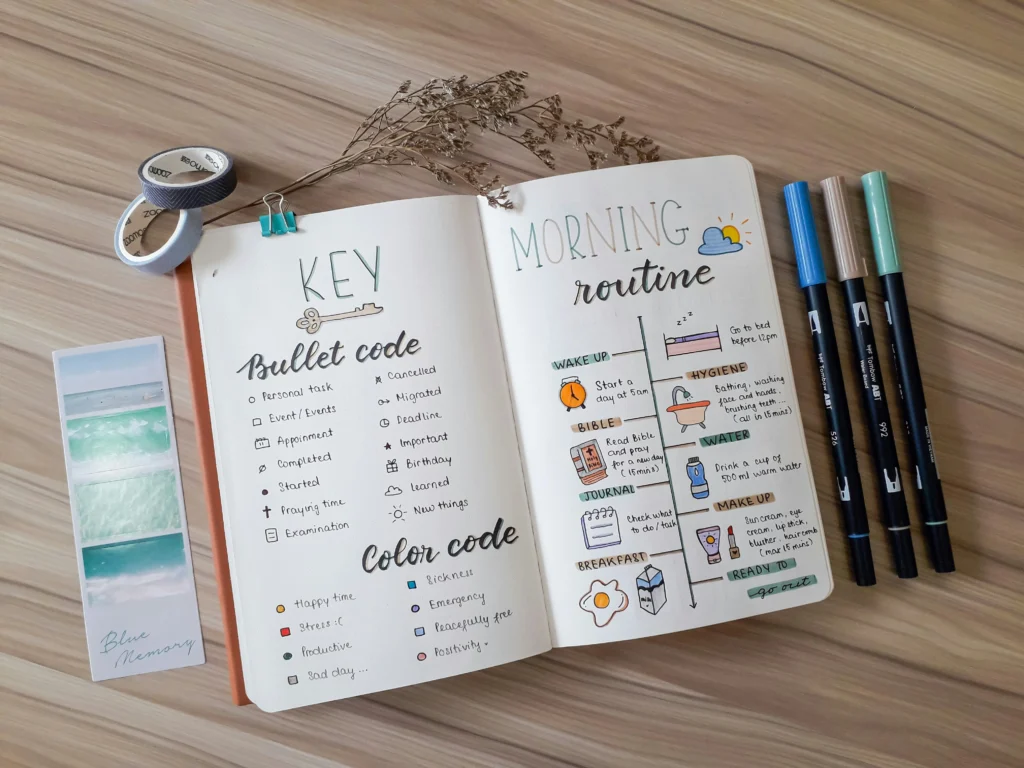
Good morning routine tips do not need to be complicated. A calm morning can begin with just 20 minutes of intentional habits.
Try waking up without checking your phone immediately. Stretch, drink water, open a window, and review your plans for the day. These small actions help you feel more grounded before the day becomes busy.
A productive morning is not about doing more. It is about starting with clarity.
Evening Habits That Make Tomorrow Easier
Your evening routine matters just as much as your morning one. A peaceful night helps your next day feel smoother.
You might prepare your clothes, tidy one area of your home, write tomorrow’s top tasks, or set a calming bedtime routine. Even five minutes of preparation can reduce morning stress.
This is one of the most practical daily routine ideas because it gives you a head start before the day begins.
How to Build Habits and Stay Consistent
Know How Long It Takes to Build a Routine
There is no perfect number of days that works for everyone. Some habits feel natural after a few weeks, while others take longer. What matters most is repetition, simplicity, and patience.
When learning how to build habits, avoid judging yourself after one missed day. Missing once does not mean you failed. Just return to the routine at the next opportunity.
Consistency is built by coming back, not by being perfect.
Make Your Routine Easy to Stick To
To avoid giving up, make your routine feel doable. If a habit feels too big, shrink it.
Instead of “work out for one hour,” start with “stretch for five minutes.” Instead of “clean the whole house,” start with “clear one surface.” Small wins create confidence, and confidence helps you continue.
You can also attach new habits to existing ones. For example, after brushing your teeth, write your top three tasks. After making coffee, take your vitamins. This makes the habit easier to remember.
FAQs
How do you create a daily routine?
Start by choosing the part of your day that needs the most support, such as your morning, workday, or evening. Add a few simple habits that are easy to repeat. Keep the routine realistic, write it down, and test it for a week. Adjust anything that feels too stressful or difficult.
What should be included in a healthy routine?
A healthy routine should include sleep, movement, nourishing meals, hydration, focused work time, breaks, and moments of rest. It should also include habits that support your mental well-being, such as journaling, quiet time, or a short walk. The goal is balance, not perfection.
How long does it take to build a routine?
Building a routine can take a few weeks or longer, depending on the habit and your lifestyle. Simple habits usually become easier faster, while bigger lifestyle changes may need more time. The most important thing is to repeat the habit often and return to it when you miss a day.
How can you stick to a routine without giving up?
Make your routine small, clear, and flexible. Start with habits you can complete even on busy days. Track your progress, celebrate small wins, and avoid quitting because of one imperfect day. The best way to stick with a routine is to make it supportive instead of strict.
Conclusion
The best way to learn how to create a Routine is to begin with simple habits that match your real life. Start small, stay flexible, and focus on consistency instead of perfection. With the right daily rhythm, your routine can help you feel calmer, more organized, and more in control of your day.