

Simple steps to reset your habits and feel more balanced naturally
A Sugar Detox is a simple reset that helps you reduce added sugar intake, stabilize your energy, and understand why cravings happen. It does not mean removing every sweet food forever. Instead, it focuses on cutting back on added sugars from drinks, desserts, packaged snacks, sweetened breakfast foods, and hidden sources like sauces or flavored yogurts. During the first few days, you may notice cravings, tiredness, headaches, mood changes, or stronger hunger. These are common sugar detox symptoms, especially if your usual diet includes a lot of sweet foods. With the right meals, hydration, sleep, and a realistic plan, the process becomes much easier.
This guide explains what happens when you stop eating sugar, how long it may take, what to eat, and how to stop sugar cravings naturally.
What Is a Sugar Detox?
Sugar Detox meaning in simple terms
A Sugar Detox is a short-term commitment to reduce or remove added sugar so your body can adjust to less sweetness. The goal is not punishment, strict dieting, or fear around food. The goal is awareness.
Added sugar is different from the natural sugar found in whole fruits, plain dairy, and vegetables. Whole foods usually come with fiber, water, vitamins, minerals, and other nutrients that slow digestion and support fullness. Added sugar is the sweetener added to foods and drinks during processing, cooking, or serving.
Common sources include:
- Soda and sweet tea
- Candy, cookies, cakes, and pastries
- Sweetened coffee drinks
- Sugary cereals and granola
- Flavored yogurt
- Packaged sauces and dressings
- Sweetened protein bars
- Ice cream and frozen desserts
A smart sugar detox diet does not need to be extreme. You can focus on reducing added sugar while still eating satisfying meals with protein, fiber, healthy fats, and naturally sweet foods like berries, apples, or dates in small amounts.
Why people try a Sugar Detox
Many people start a Sugar Detox because they feel trapped in a cycle: they eat something sweet, feel better briefly, then crave more later. Sometimes when I eat pancakes in the mornings I feel very tired and starving. That’s because they contain sugar and flour. This pattern can happen when meals are low in protein or fiber, sleep is poor, stress is high, or sweet foods have become a daily habit.
A sugar reset can help you notice when cravings are physical and when they are emotional. For example, a 3 p.m. craving may come from skipping lunch, but a late-night craving may come from routine, boredom, or stress.
The benefits of sugar detox may include steadier energy, fewer intense cravings, better meal awareness, improved hydration habits, and more balanced food choices. Some people also notice clearer skin, better digestion, fewer energy crashes, and improved focus, though results vary.
A realistic detox works best when it feels supportive, not restrictive.
Sugar Detox Symptoms and What Happens When You Stop Eating Sugar
Common sugar detox symptoms
When you reduce added sugar, your body and brain may need time to adapt. This is especially true if sugary foods or drinks have been part of your daily routine for a long time.
Common sugar detox symptoms may include:
- Headaches
- Fatigue
- Irritability
- Mood swings
- Strong cravings
- Trouble focusing
- Low motivation
- Sleep changes
- Feeling hungrier than usual
- Craving bread, pasta, chips, or other quick carbs
These symptoms do not mean you are doing something wrong. They often mean your body is adjusting to fewer quick sources of sweetness and energy.
The first few days can feel the hardest. Cravings may appear at the same time you usually eat sugar, such as after lunch, after dinner, or during stressful moments. Planning for those times makes the detox easier.
What happens when you stop eating sugar?
When you stop eating added sugar, your body begins to rely more on balanced meals for energy instead of quick sugar hits. Blood sugar may feel steadier when meals include protein, fiber, and healthy fats.
You may also become more aware of hidden sugar. Foods that once tasted normal may start to taste very sweet after a few days of eating less added sugar.
During the adjustment phase, your brain may ask for the familiar reward of sweet foods. That is why cravings can feel emotional as well as physical. Instead of fighting cravings with willpower alone, it helps to build a routine that gives your body what it actually needs: enough food, enough water, enough sleep, and satisfying meals.
A Sugar Detox is not about never enjoying dessert again. It is about lowering daily dependence on added sugar so sweet foods become occasional choices rather than automatic habits.
Sugar Detox Diet: What to Eat and What to Avoid
Best foods for a sugar detox diet
A good sugar detox diet should feel filling and steady. If you only remove sugar without replacing it with nourishing foods, cravings can get stronger.
Build meals around protein, fiber, and healthy fats. This combination supports fullness and helps reduce the urge to snack on sweets.
Helpful foods include:
- Eggs, chicken, turkey, fish, tofu, lentils, beans, or Greek yogurt
- Leafy greens, broccoli, peppers, zucchini, carrots, cucumbers, and tomatoes
- Berries, apples, pears, oranges, kiwi, and grapefruit
- Oats, quinoa, brown rice, sweet potatoes, and whole grain bread
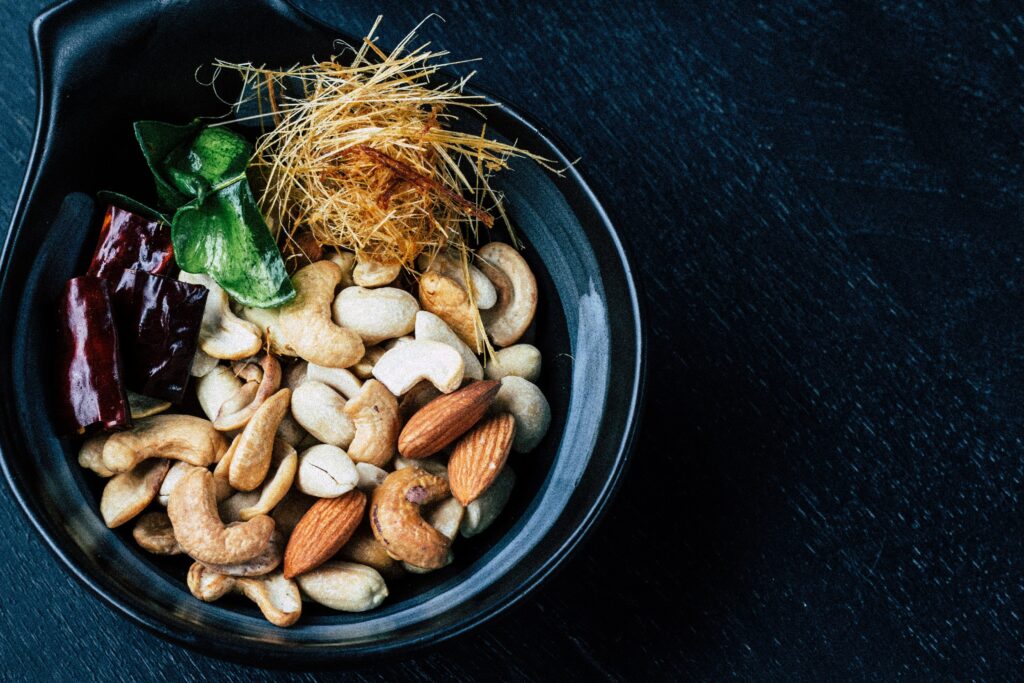
- Avocado, olive oil, nuts, seeds, and nut butter
- Cottage cheese, plain yogurt, kefir, or unsweetened dairy alternatives
- Water, sparkling water, herbal tea, or lemon-cucumber water
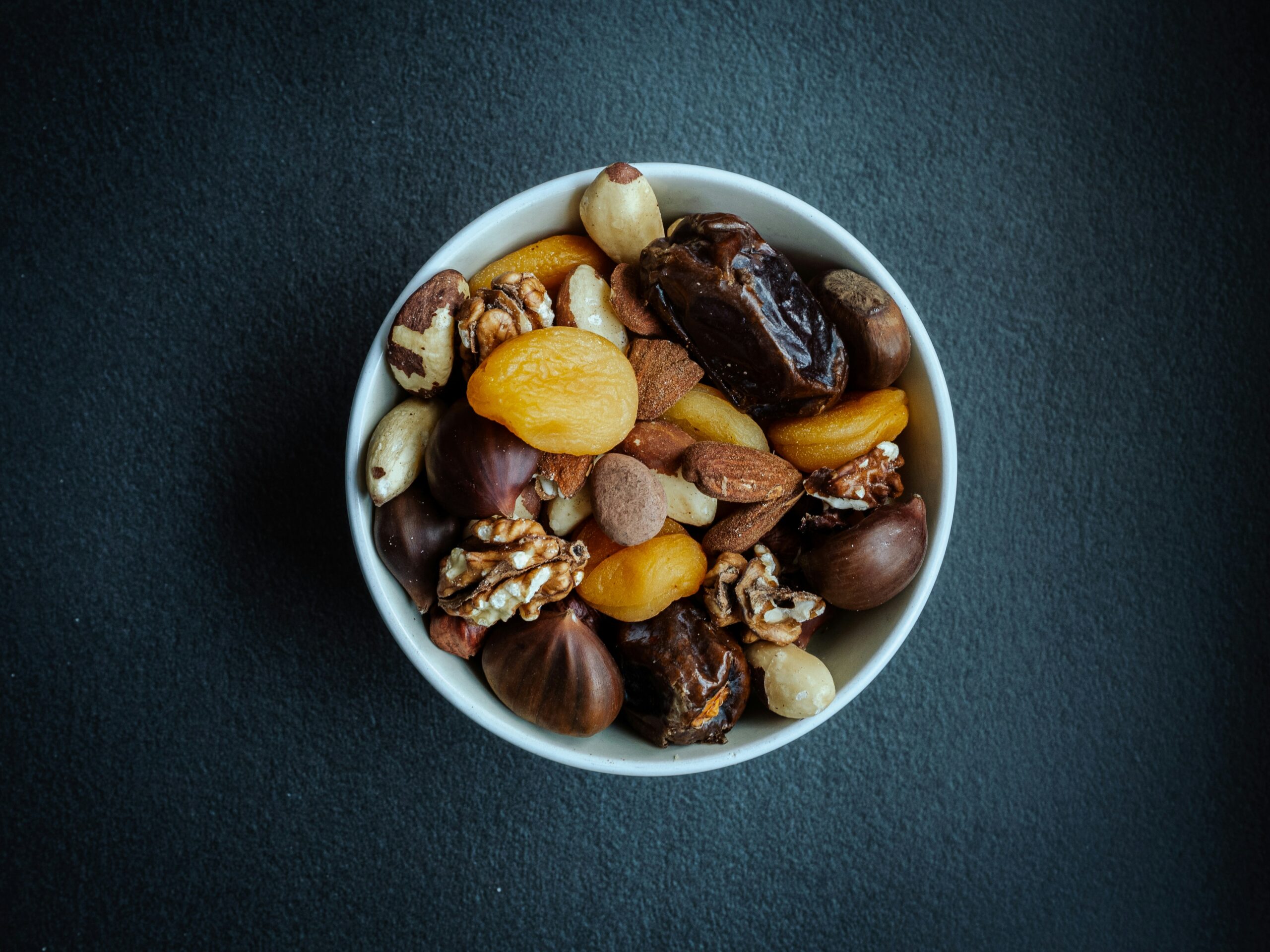
For sweet cravings, choose options that still feel satisfying. Try Greek yogurt with berries, apple slices with almond butter, chia pudding without added sugar, or a small date stuffed with peanut butter. You can also make no-sugar homemade ice cream by blending frozen bananas with a splash of milk and adding cinnamon or berries.
Foods to limit during a Sugar Detox
During your Sugar Detox, focus on reducing foods with added sugars rather than fearing all carbohydrates. Whole-food carbs can still fit into a balanced plan.
Limit or pause:
- Soda, energy drinks, and sweetened teas
- Candy and chocolate bars
- Cookies, cakes, muffins, and pastries
- Sugary cereals
- Sweetened coffee creamers
- Flavored yogurts with added sugar
- Packaged snack bars with syrup or sugar
- Sauces like ketchup, barbecue sauce, and sweet chili sauce
- Fruit juice and sweet smoothies
Reading labels helps. Added sugar can appear under many names, including cane sugar, corn syrup, brown sugar, honey, agave, dextrose, maltose, and fruit juice concentrate.
You do not need to be perfect. If you eat something sweet, return to your next balanced meal. One choice does not ruin the process.
How to Stop Sugar Cravings Naturally
Sugar Detox habits that reduce cravings
Learning how to stop sugar cravings starts with understanding why cravings happen. Sometimes cravings are caused by habit. Other times, they are caused by hunger, dehydration, stress, poor sleep, or meals that do not contain enough protein.
Try these simple habits:
- Eat protein at breakfast. Eggs, yogurt, tofu, cottage cheese, or leftovers can reduce mid-morning cravings.
- Add fiber to every meal. Vegetables, beans, oats, berries, and seeds help you stay full longer.
- Drink water before reaching for sweets. Thirst can feel like hunger or cravings.
- Plan a satisfying afternoon snack. Try nuts, fruit, hummus with vegetables, or yogurt.
- Keep trigger foods out of easy reach. Make the healthier choice the easier choice.
- Sleep enough. Tiredness often increases cravings for quick energy.
- Walk for 10 minutes. Movement can shift mood and reduce stress eating.
Cravings usually rise, peak, and fade. Before eating something sweet, pause for 10 minutes. Drink water, take a short walk, or eat a protein-rich snack. If you still want something sweet afterward, choose a small portion mindfully.
Natural sweet swaps that still feel cozy
A Sugar Detox does not have to feel cold or boring. Cozy, naturally sweet options can help you stay consistent without feeling deprived.
Try these ideas:
- Dates with nut butter and cinnamon
- Frozen banana blended into no-sugar homemade ice cream
- Baked apple with walnuts and cinnamon
- Greek yogurt with berries
- Chia pudding with vanilla and strawberries
- Herbal cinnamon tea after dinner
- Roasted sweet potato with tahini
- Cottage cheese with pear slices
These swaps are useful because they give you flavor, texture, and satisfaction without relying heavily on added sugar.
The key is not replacing every candy bar with a “healthy dessert” all day long. The goal is to retrain your taste buds while still enjoying food.
7 Day Sugar Detox Plan for Beginners
Simple 7 day sugar detox plan
A 7 day sugar detox plan gives you structure without making the process overwhelming. Use this as a flexible guide and adjust portions to your needs.
Day 1:
Remove sugary drinks
Swap soda, sweet tea, juice, and sweetened coffee drinks for water, sparkling water, or herbal tea. Keep meals normal, but notice hidden sugar.
Day 2:
Build a protein breakfast
Start with eggs, Greek yogurt, tofu scramble, cottage cheese, or oatmeal with nuts and seeds. A stronger breakfast can reduce cravings later.
Day 3:
Clean up snacks
Replace candy, cookies, or sweet bars with nuts, fruit, dates, boiled eggs, yogurt, or vegetables with dip.
Day 4:
Check sauces and packaged foods
Look at labels on dressings, ketchup, marinades, cereals, granola, and bread. Choose lower-sugar or unsweetened options.
Day 5:
Plan a cozy sweet swap
Make a no-added-sugar treat like banana “ice cream,” baked apple, or dates with nut butter. This helps prevent feeling deprived.
Day 6:
Balance every meal
Use the plate method: protein, vegetables, fiber-rich carbs, and healthy fats. This helps stabilize energy.
Day 7:
Reflect and choose your next step
Notice what improved. Are cravings lower? Is energy steadier? Choose one or two habits to continue for the next week.
How long does Sugar Detox take?
A Sugar Detox can take a few days to a few weeks, depending on your usual sugar intake, sleep, stress, activity level, and overall diet. Many people feel the strongest symptoms during the first three to five days. By the end of one week, cravings may feel easier to manage.
That does not mean every craving disappears forever. Sweet foods are enjoyable, and cravings can still happen. The difference is that you can respond with more control.
For lasting results, avoid treating the detox as a one-time challenge. Use it as a starting point for a lower-sugar lifestyle. Keep the habits that helped most, such as protein at breakfast, fewer sugary drinks, and healthier evening snacks.
You can also support your nutrition routine by learning how other nutrients affect your body. For example, this guide on collagen benefits and how it supports our body can help you build a broader wellness approach beyond sugar reduction.
Benefits of Sugar Detox
Physical and mental benefits of sugar detox
The benefits of sugar detox often go beyond eating less dessert. Reducing added sugar can improve the quality of your entire diet because it encourages more whole foods, more protein, more fiber, and better hydration.
Possible benefits include:
- More stable energy
- Fewer afternoon crashes
- Reduced cravings over time
- Better awareness of hunger cues
- Improved meal balance
- Fewer sugary drinks
- Better focus
- More consistent eating habits
- Healthier snack choices
- A calmer relationship with sweet foods
Some people also feel proud because they are no longer reacting automatically to cravings. That confidence matters. Once you prove you can pause, choose, and reset, food decisions feel less stressful.
How to keep results after a Sugar Detox
The best Sugar Detox is the one that teaches you habits you can keep. After seven days, do not swing back into old patterns. Instead, create a realistic maintenance plan.
Try the 80/20 approach. Eat mostly whole, lower-sugar foods, but leave room for occasional desserts. This prevents the all-or-nothing mindset that often leads to overeating.
Keep these habits:
- Drink unsweetened beverages most of the time
- Eat protein at breakfast
- Keep fruit available
- Choose plain yogurt and sweeten it yourself with berries
- Save dessert for moments you truly enjoy
- Avoid using sweets as your main stress tool
- Read labels on packaged foods
- Eat enough during the day to prevent night cravings
A long-term low-sugar lifestyle should still feel joyful. You can enjoy birthday cake, a homemade cookie, or a favorite dessert without guilt. The goal is balance, not perfection.
FAQs
What is a sugar detox?
A sugar detox is a short-term reset where you reduce added sugar from foods and drinks. It usually focuses on cutting back soda, candy, desserts, sweetened coffee, sugary cereals, and hidden sugars in packaged foods. The goal is to reduce cravings, improve food awareness, and build healthier eating habits without removing every naturally sweet food.
What happens when you stop eating sugar?
When you stop eating added sugar, cravings may increase at first because your body is adjusting to fewer quick sweet rewards. You may feel tired, irritable, hungry, or headachy for a few days. As meals become more balanced with protein, fiber, and healthy fats, energy may feel steadier and cravings may become easier to manage.
How long does sugar detox take?
A sugar detox may take a few days to a few weeks. Many people notice the strongest cravings and symptoms during the first three to five days. A 7 day sugar detox plan can be a helpful starting point, but long-term results come from keeping realistic habits after the first week ends.
How can you reduce sugar cravings naturally?
You can reduce sugar cravings naturally by eating enough protein, adding fiber to meals, drinking more water, sleeping well, managing stress, and keeping balanced snacks nearby. Fruit, Greek yogurt, nuts, dates, and homemade no-sugar frozen desserts can also help when you want something sweet without returning to heavy added sugar.
What foods should you eat during a sugar detox?
Eat foods that support fullness and steady energy, such as eggs, fish, chicken, tofu, beans, lentils, vegetables, berries, oats, quinoa, nuts, seeds, avocado, and plain yogurt. A strong sugar detox diet should include satisfying meals, not just restriction. Whole fruit can stay in the plant because it contains fiber and nutrients.
Final Thoughts
A Sugar Detox can be a gentle way to reset cravings, improve daily energy, and build a healthier relationship with sweet foods. Start with simple steps: remove sugary drinks, eat protein at breakfast, choose whole-food snacks, and use a realistic 7 day sugar detox plan instead of extreme rules. The goal is not to fear sugar. The goal is to feel more in control, more nourished, and more aware of what your body needs.